








Introduction
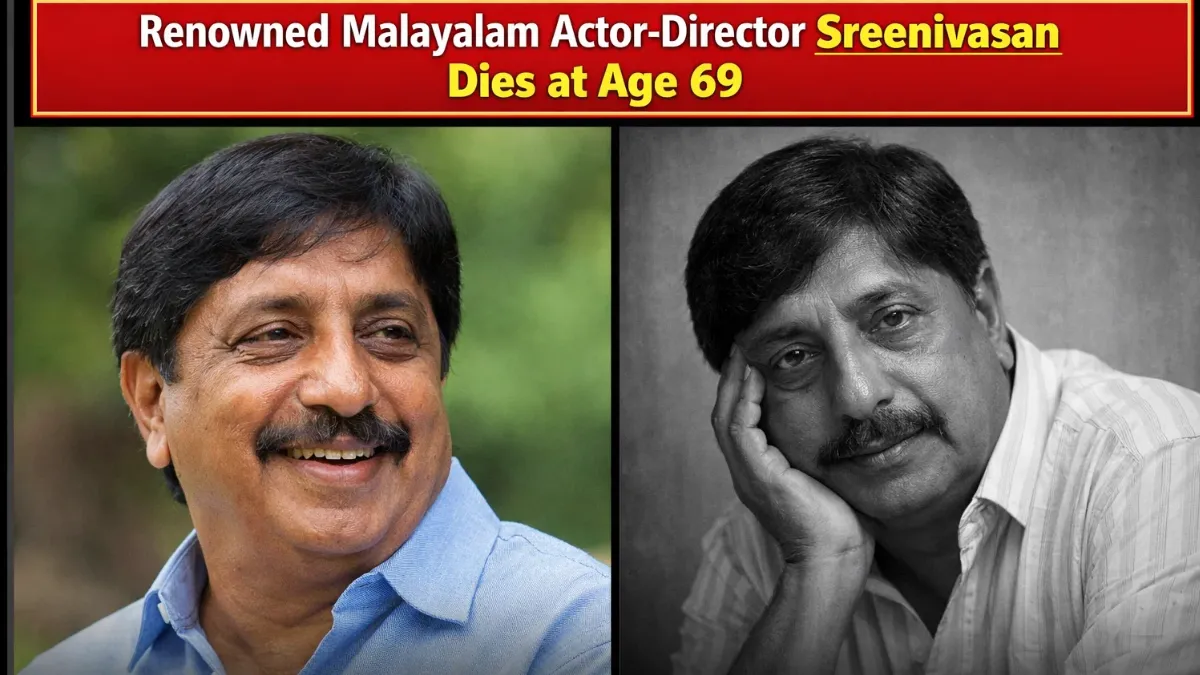
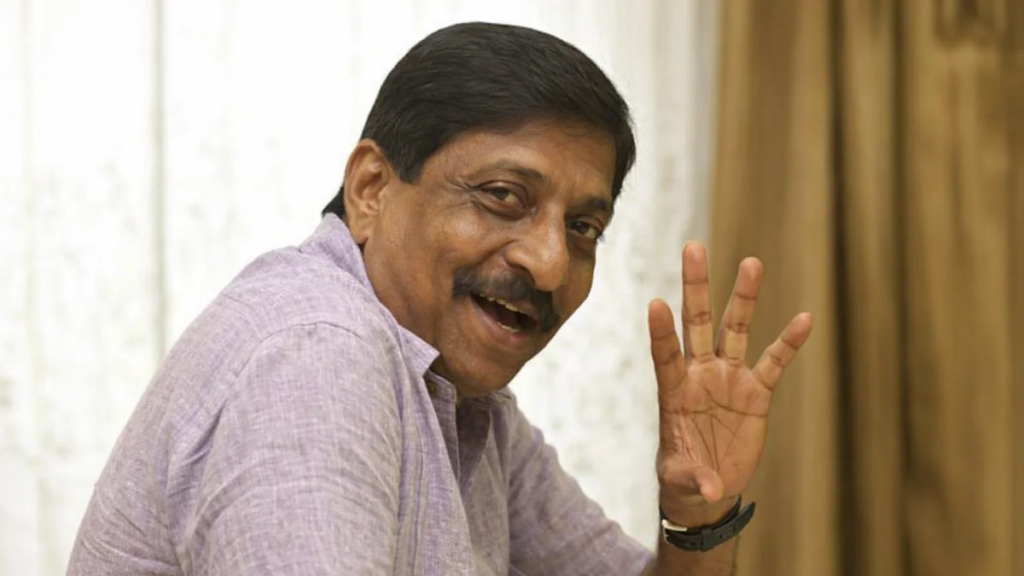
Sreenivasan -In a moment that has plunged the Indian film world into mourning, Sreenivasan, the celebrated Malayalam actor, screenwriter, director, and producer, passed away at the age of 69 on December 20, 2025. His death, confirmed by multiple news outlets, marks the end of an era in regional cinema, leaving behind a legacy that reshaped Malayalam films with humour, social insight, and humanity. The veteran artiste had been battling longstanding health issues and was undergoing treatment when he breathed his last at a hospital in Thrippunithura, near Kochi, Kerala.
The world of Indian cinema woke up to heartbreaking news that sent shockwaves through Kerala and far beyond its borders. Renowned Malayalam actor, screenwriter, director, and cultural commentator Sreenivasan passed away at the age of 69, marking the end of a towering era in regional filmmaking. For millions of viewers, he was not merely an entertainer but a mirror of society — a man who spoke uncomfortable truths with humour, intellect, and profound humanity. His death has left a void that cannot be filled, only remembered.
For decades, Sreenivasan stood apart in an industry often driven by spectacle. He represented the common man — flawed, confused, hopeful, and resilient. Whether through sharp political satire, intimate family drama, or gentle comedy, his voice resonated deeply with audiences across generations. News of his passing triggered an outpouring of grief, with fans revisiting his films, quoting his dialogues, and remembering how his stories shaped their understanding of life and society.
Sreenivasan’s journey was not one of overnight stardom. It was built on persistence, intellectual rigor, and a fearless commitment to storytelling. He challenged norms, questioned authority, and dismantled hypocrisy — all while making people laugh. His scripts were classrooms; his characters were teachers. In an era where cinema increasingly leaned toward spectacle, Sreenivasan remained rooted in substance.
As Kerala mourns the loss of one of its greatest cultural icons, tributes continue to pour in from actors, filmmakers, writers, students, and everyday viewers. His death is not just the loss of a beloved artist; it is the silencing of a conscience that constantly nudged society to introspect. The man who taught generations how to laugh at power and sympathize with vulnerability has taken his final bow.
This article explores the life, career, philosophy, achievements, and lasting legacy of Sreenivasan — a man whose influence transcended cinema and became part of Kerala’s collective cultural memory.
Early Life: The Making of a Thinker
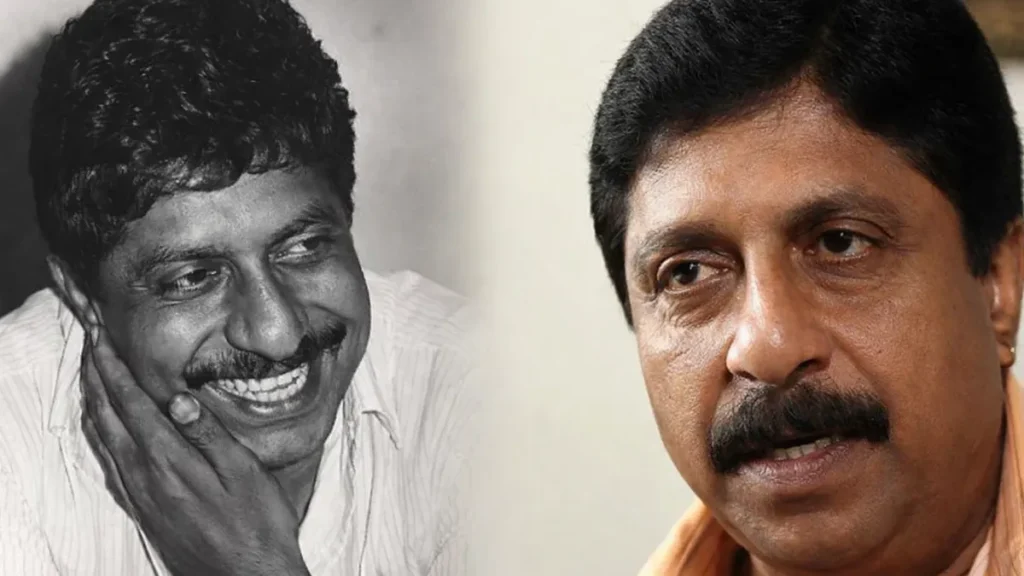
Sreenivasan was born on April 6, 1956, in a modest household in Patyam, near Thalassery in Kerala’s Kannur district. Raised in a middle-class environment, he grew up observing the struggles, contradictions, and quiet heroism of ordinary life — experiences that would later form the emotional backbone of his storytelling.
From a young age, he showed an inclination toward reading, writing, and observing people. Unlike many aspiring actors, his ambition was not limited to performance alone. He was fascinated by structure, dialogue, and the psychology of characters. His academic journey included a degree in economics, which further sharpened his analytical thinking and deepened his understanding of social systems.
His decision to pursue formal training in cinema marked a turning point. Film education introduced him to world cinema, narrative theory, and the mechanics of storytelling. More importantly, it validated his belief that cinema could be more than entertainment — it could be a tool for reflection, resistance, and reform.
Entry into Cinema: An Unconventional Beginning
Sreenivasan’s entry into Malayalam cinema in the late 1970s did not follow the traditional star trajectory. He was not groomed as a hero, nor did he fit conventional standards of stardom. Instead, he carved a space for himself as a character actor — portraying men who were awkward, insecure, talkative, and deeply human.
These early performances revealed something rare: authenticity. Audiences saw themselves in him. He was not larger than life; he was life itself. His ability to turn everyday anxieties into compelling screen moments quickly earned him recognition among filmmakers and critics alike.
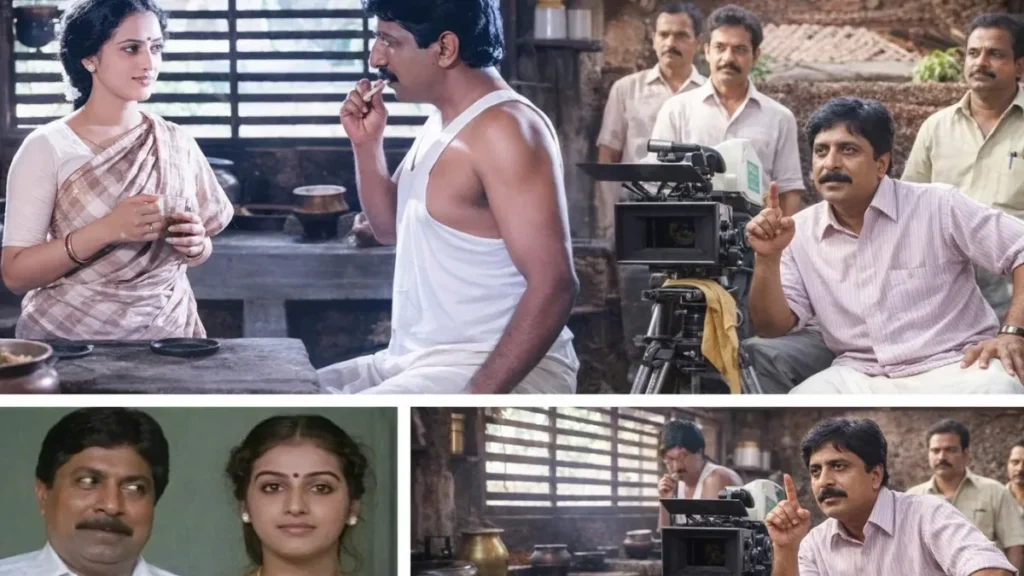
However, it was clear that acting alone was not enough to contain his creative energy. Writing beckoned — and when Sreenivasan embraced screenwriting, Malayalam cinema changed forever.
The Screenwriter Who Redefined Malayalam Cinema
Sreenivasan’s rise as a screenwriter was nothing short of revolutionary. At a time when formulaic storytelling dominated, his scripts introduced sharp satire, social realism, and moral complexity. He wrote about unemployment, migration, political opportunism, hypocrisy, family pressures, and the illusions of success — themes that struck a deep chord with Kerala’s educated middle class.
His dialogues were crisp, intelligent, and deeply rooted in everyday speech. He had an uncanny ability to make serious issues laughable without trivializing them. This balance between humour and critique became his signature.
Through his scripts, he exposed the absurdities of bureaucracy, the emptiness of hollow ideologies, and the emotional cost of societal expectations. Many of his films remain relevant decades later, a testament to the timelessness of his observations.
Actor of the Common Man
As an actor, Sreenivasan redefined masculinity on screen. He was vulnerable, expressive, often insecure — a stark contrast to the invincible heroes of mainstream cinema. His characters failed, doubted themselves, panicked, and improvised — just like real people.
He excelled in roles that required emotional nuance rather than physical dominance. Whether playing a struggling writer, a frustrated husband, a confused father, or a man caught between ideals and reality, his performances were grounded and believable.
What made his acting exceptional was restraint. He trusted silence as much as dialogue, expression as much as exposition. This naturalistic style influenced an entire generation of actors who sought realism over theatrics.
Director with a Human Lens
Sreenivasan’s work as a director further cemented his reputation as a thoughtful filmmaker. His directorial projects focused on internal conflicts rather than external spectacle. He explored themes such as jealousy, insecurity, gender dynamics, and social conditioning with sensitivity and humour.
His direction was marked by simplicity. He allowed characters to breathe, conversations to unfold naturally, and emotions to simmer rather than explode. These films earned critical acclaim and remain studies in character-driven storytelling.
Highlight Table: Famous Movies of Sreenivasan
| No. | Movie Name | Year | Role | Why It Is Famous |
|---|---|---|---|---|
| 1 | Nadodikkattu | 1987 | Actor / Writer | Cult comedy, common man struggle |
| 2 | Sandesam | 1991 | Writer / Actor | Powerful political satire |
| 3 | Varavelpu | 1989 | Writer / Actor | Gulf returnee reality |
| 4 | Vadakkunokkiyanthram | 1989 | Director / Writer | National award–winning film |
| 5 | Chinthavishtayaya Shyamala | 1998 | Director / Writer | Social issue based classic |
| 6 | Udayananu Tharam | 2005 | Writer / Actor | Film industry satire |
| 7 | Gandhinagar 2nd Street | 1986 | Writer | Comedy with social depth |
| 8 | Pattanapravesham | 1988 | Writer | Comedy-drama sequel |
| 9 | Sanmanassullavarkku Samadhanam | 1986 | Writer | Family comedy classic |
| 10 | Njan Prakashan | 2018 | Actor | Comeback hit, realistic role |
Political Satire and Social Courage
One of Sreenivasan’s greatest strengths was his courage to speak truth to power. His political satires dissected ideological hypocrisy without aligning blindly with any side. He criticized extremism, opportunism, and performative morality with equal sharpness.
In doing so, he sometimes courted controversy, but he never retreated. He believed cinema had a responsibility — not to preach, but to provoke thought. His work encouraged viewers to question narratives, challenge assumptions, and laugh at blind loyalty.
Collaborations That Created History
Sreenivasan’s collaborations with legendary directors and actors resulted in some of Malayalam cinema’s most iconic films. His creative partnerships were built on mutual respect and shared vision. Together, they crafted stories that balanced commercial appeal with intellectual depth.
These collaborations not only elevated his work but also shaped the careers of many others. He was known to nurture talent, support new voices, and stand by meaningful cinema even when it was not commercially safe.
Awards and Recognition
Over the course of his career, Sreenivasan received numerous awards for screenwriting, acting, and direction. While accolades recognized his excellence, they were never his driving force. He measured success by impact — by whether a story lingered in the audience’s mind.
Critics often described him as the moral compass of Malayalam cinema — a storyteller who reminded the industry of its social responsibility.
Personal Life: The Man Beyond the Screen
Despite his public persona, Sreenivasan was deeply private. He valued family, introspection, and simplicity. He was known for his honesty, sometimes bordering on bluntness, but always rooted in integrity.
His sons followed him into cinema, carrying forward elements of his legacy while forging their own paths. As a father and mentor, he emphasized substance over stardom and discipline over fame.
Health Struggles and Final Days
In recent years, Sreenivasan battled serious health challenges that limited his public appearances. Despite physical setbacks, his intellectual engagement with cinema and society remained intact. His resilience inspired admiration, as he faced adversity with quiet strength.
His passing came after prolonged illness, leaving fans heartbroken but grateful for the body of work he left behind.
Impact on Malayalam Cinema and Beyond
Sreenivasan did not merely entertain; he educated, questioned, and empowered. Film students study his scripts. Writers analyze his dialogue. Audiences continue to find relevance in his stories.
His influence extends beyond cinema into literature, political discourse, and cultural critique. He proved that regional cinema could be intellectually ambitious without losing mass appeal.
Also Read: Border 2 Teaser Released: Sunny Deol’s War Cry to Shake Lahore, Varun, Diljit, Ahan in Action
Conclusion: A Legacy That Will Never Fade
Sreenivasan’s death marks the end of a chapter, but not the end of his voice. His films will continue to speak — in classrooms, living rooms, and hearts. They will continue to make people laugh, think, and question.
In an age of fleeting content, his work stands as a reminder of cinema’s enduring power. He showed that humour could be sharp, art could be responsible, and storytelling could be an act of courage.
The man is gone, but the conscience he gifted to cinema remains alive — frame by frame, word by word.
Frequently Asked Questions (FAQs)
Q1. Who was Sreenivasan?
Sreenivasan was a legendary Malayalam actor, screenwriter, director, and cultural commentator known for socially relevant cinema.
Q2. How old was Sreenivasan at the time of his death?
He was 69 years old.
Q3. Why is Sreenivasan considered influential?
He transformed Malayalam cinema through sharp satire, realistic characters, and socially conscious storytelling.
Q4. What kind of roles did he portray?
He portrayed ordinary men dealing with real-life struggles, making his performances deeply relatable.
Q5. What is his lasting legacy?
His legacy lies in meaningful cinema that balances humour with truth and entertainment with responsibility.

I’m a professional news publisher and passionate blogger, sharing trending stories, breaking news, and digital culture from around the world.