







Introduction
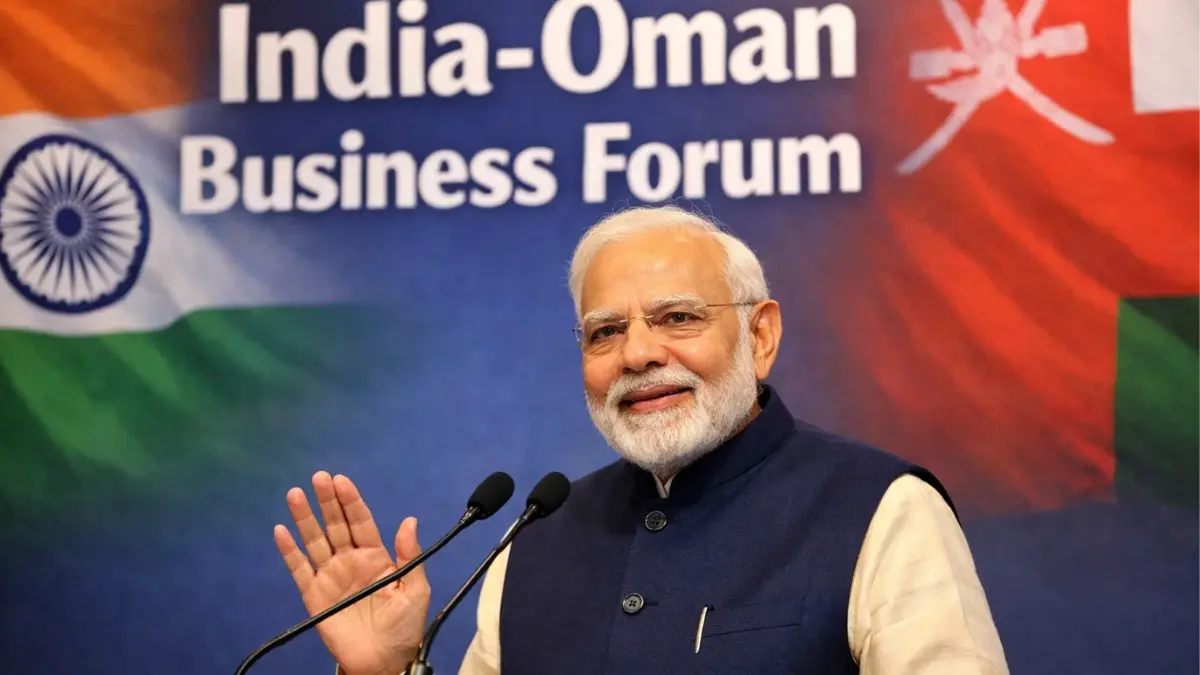
At the India–Oman Business Forum held today, Prime Minister Narendra Modi delivered a wide‑ranging address that underscored how India’s economic “DNA” has fundamentally transformed over the past 11 years. Framing the journey as one of structural reform, confidence‑building, and global integration, the Prime Minister presented India as a resilient, opportunity‑rich economy that is open for partnerships, trade, and long‑term investment. His remarks came at a time when India is positioning itself as a key driver of global growth amid shifting supply chains, geopolitical uncertainty, and accelerating technological change.
PM Modi’s speech blended macroeconomic perspective with sector‑specific opportunities, highlighting India’s reform trajectory, manufacturing push, digital public infrastructure, energy transition, and the expanding role of Indian enterprises abroad. Addressing business leaders, policymakers, and investors from India and Oman, he emphasized that India’s growth story is no longer cyclical or consumption‑led alone, but increasingly powered by productivity, innovation, and institutional reform.
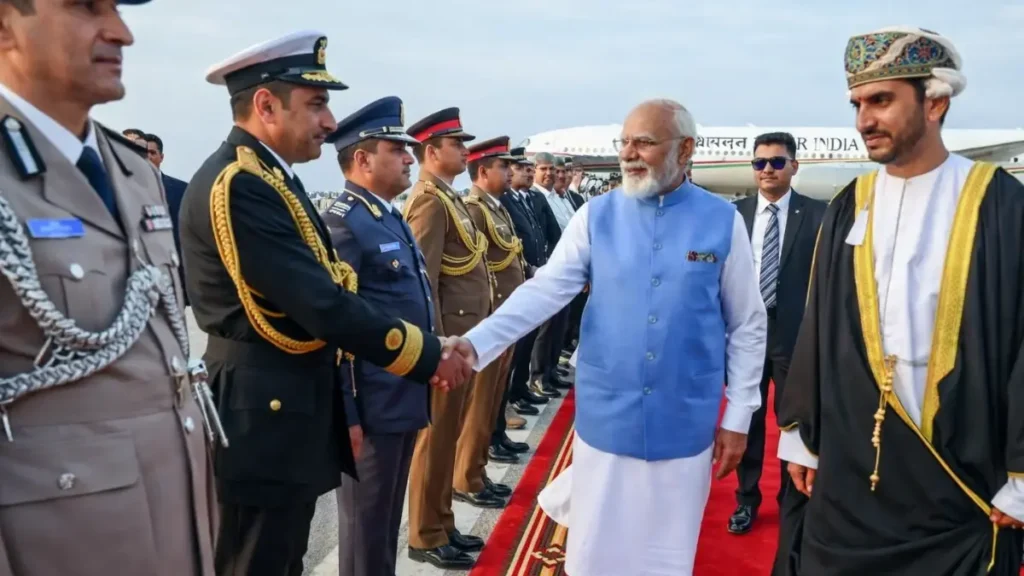
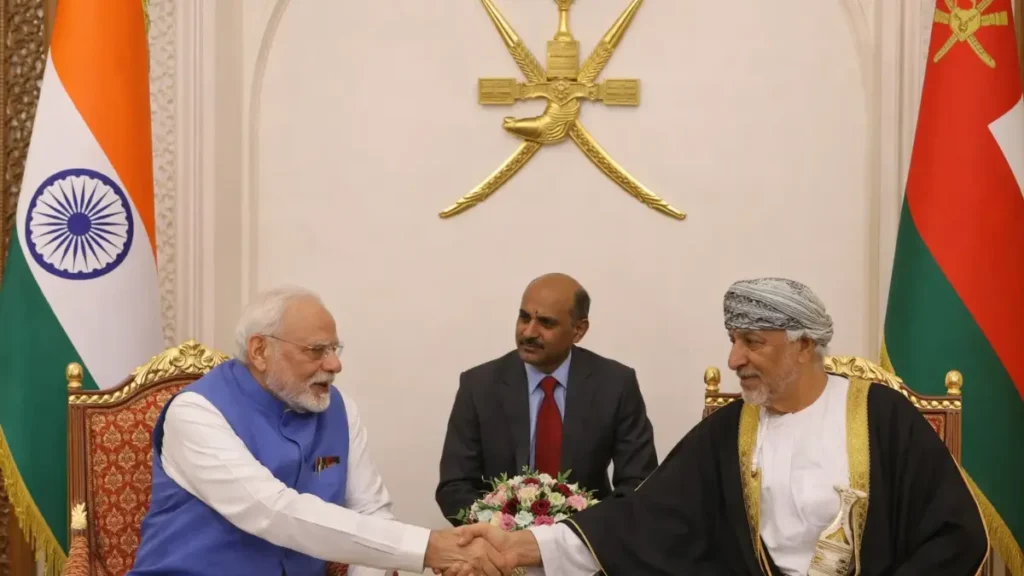
The forum also reflected the deepening India–Oman relationship—rooted in centuries of maritime trade and cultural exchange—now evolving into a modern economic partnership spanning energy, logistics, fintech, food security, and green technologies. Against this backdrop, PM Modi’s assertion that India’s economic DNA has changed resonated as both a summary of past reforms and a roadmap for the future.
What PM Modi Meant by “Economic DNA”
When PM Modi referred to India’s “economic DNA,” he was describing the foundational characteristics that determine how an economy functions—its institutions, incentives, regulatory culture, risk appetite, and ability to scale. Over the last 11 years, he argued, India has shifted from an economy constrained by procedural delays and fragmented markets to one driven by speed, scale, and systems.
Key elements of this transformed DNA include:
- Rule‑based governance replacing discretion‑heavy decision‑making.
- Unified national markets supplanting fragmented state‑level barriers.
- Digital‑first delivery enabling inclusion and efficiency.
- Manufacturing and exports complementing services as growth engines.
- Global integration balanced with strategic self‑reliance.
According to the Prime Minister, these changes are not cosmetic; they are structural, irreversible, and increasingly visible in India’s growth outcomes and investor confidence.
Eleven Years of Structural Economic Reforms
From Incremental Change to Structural Transformation
PM Modi traced the arc of reform since 2014, noting that the emphasis has been on long‑term institution building rather than short‑term stimulus. The reforms were designed to reduce friction, improve transparency, and create predictability for businesses.
Landmark Reforms That Redefined the System
- Goods and Services Tax (GST): Created a single national market, improved tax compliance, and reduced logistics costs.
- Insolvency and Bankruptcy Code (IBC): Strengthened credit discipline and improved capital allocation.
- Corporate Tax Rationalization: Made India competitive for global manufacturing investment.
- Financial Inclusion Drive: Expanded banking access through Jan Dhan, Aadhaar, and mobile integration.
- Labor and Agriculture Reforms: Simplified compliance and aimed to boost productivity.
PM Modi emphasized that these reforms changed not only policies but also mindsets—encouraging entrepreneurship, formalization, and innovation.
India’s Growth Story: Scale, Stability, and Speed
A Large Market with Rising Aspirations
India’s demographic dividend and expanding middle class were central themes in the Prime Minister’s address. He pointed out that India’s growth is supported by strong domestic demand, urbanization, and rising disposable incomes, creating a virtuous cycle for investors.
Macroeconomic Stability as a Growth Anchor
PM Modi highlighted India’s focus on fiscal discipline, controlled inflation, and resilient financial institutions. He argued that stability has become a core part of India’s economic DNA, insulating the country from external shocks while enabling sustained growth.
Speed as a Competitive Advantage
A recurring theme was speed—faster clearances, quicker infrastructure delivery, and real‑time digital governance. According to PM Modi, speed is now embedded in India’s administrative culture, reducing the cost of doing business.
Manufacturing Renaissance and ‘Make in India’
From Assembly to Value Creation
The Prime Minister underlined the transformation of India’s manufacturing sector, moving beyond low‑value assembly toward high‑value production. Initiatives like the Production Linked Incentive (PLI) schemes have catalyzed investments across electronics, pharmaceuticals, automotive, and renewable energy equipment.
Global Supply Chains and India’s Role
PM Modi noted that as global companies diversify supply chains, India offers scale, skills, and policy stability. He positioned India as a reliable manufacturing partner that combines cost competitiveness with quality and compliance.
MSMEs as Growth Multipliers
India’s micro, small, and medium enterprises (MSMEs) were described as the backbone of manufacturing growth, supported by digital credit, market access, and simplified regulations.
Digital Public Infrastructure: A New Growth Engine
India Stack and Digital Inclusion
One of the most significant transformations cited was India’s digital public infrastructure—often referred to as India Stack. PM Modi explained how digital identity, payments, and data frameworks have enabled inclusion at an unprecedented scale.
Fintech and Innovation Ecosystem
India’s fintech revolution, powered by instant payments and open digital platforms, has lowered transaction costs and expanded access to finance. This, he said, has unlocked entrepreneurship and formalization across sectors.
Exporting Digital Solutions
PM Modi invited partner countries, including Oman, to collaborate with India in deploying digital public goods, positioning India not just as a user but as a global provider of scalable digital solutions.
Infrastructure Push: Building for the Next 25 Years
Physical Infrastructure at Unprecedented Scale
The Prime Minister emphasized record investments in highways, ports, railways, airports, and logistics parks. He argued that modern infrastructure is essential to sustain growth and attract global capital.
Gati Shakti and Integrated Planning
Integrated infrastructure planning has reduced bottlenecks and improved project execution. PM Modi said this approach reflects the new economic DNA—coordination over silos.
Ports, Shipping, and Maritime Connectivity
Given Oman’s strategic location, maritime cooperation featured prominently. Enhanced port connectivity and logistics collaboration were presented as natural areas for India–Oman partnership.
Energy Transition and Green Growth
Balancing Growth and Sustainability
PM Modi highlighted India’s commitment to climate action while maintaining growth momentum. Renewable energy expansion, green hydrogen, and energy efficiency were cited as key pillars.
India–Oman Cooperation in Energy
The Prime Minister pointed to opportunities in renewable energy, green fuels, and energy storage, suggesting that India and Oman can jointly shape the future of sustainable energy in the region.
India–Oman Economic Partnership: Old Ties, New Horizons
Historical Bonds, Modern Opportunities
PM Modi acknowledged the deep historical links between India and Oman, now translating into modern economic collaboration.
Priority Sectors for Collaboration
- Energy and green hydrogen
- Logistics and ports
- Food processing and food security
- Pharmaceuticals and healthcare
- IT, fintech, and startups
Investment and Trade Facilitation
The Prime Minister assured investors of policy continuity, protection of interests, and transparent governance, reinforcing India’s reputation as a trusted partner.
Global Confidence in India’s New Economic DNA
Rising Investor Trust
PM Modi noted that global investors increasingly view India as a long‑term growth destination rather than a tactical market. This shift, he said, is the ultimate validation of economic transformation.
India as a Voice of the Global South
India’s role in representing developing economies and shaping global economic discourse was highlighted as part of its evolving identity.
Challenges Ahead and the Road Forward
Addressing Inequality and Skills
The Prime Minister acknowledged that sustaining growth requires continuous investment in education, skilling, and social inclusion.
Innovation and Future Technologies
He stressed the importance of AI, semiconductors, biotechnology, and space as frontier areas where India aims to lead.
Also Read:US Government Travel Ban Explained: See All Restricted Countries
Conclusion: A Transformed DNA, A Confident Future
PM Modi’s assertion at the India–Oman Business Forum that India’s economic DNA has transformed over the last 11 years captured the essence of a nation in transition. From structural reforms and digital transformation to manufacturing resurgence and global engagement, India’s economy has been reshaped to be more resilient, inclusive, and future‑ready.
As India deepens partnerships like the one with Oman, the message from today’s forum was clear: India is not just growing—it is evolving. With a redefined economic DNA, the country is positioning itself as a central pillar of global growth in the decades to come.
Frequently Asked Questions (FAQs)
1. What did PM Modi mean by saying India’s “economic DNA” has changed?
PM Modi used the term “economic DNA” to describe the fundamental structure of India’s economy—its governance systems, policy mindset, institutions, and growth drivers. He said this DNA has changed due to long-term reforms that emphasize transparency, speed, digital governance, and global competitiveness.
2. Where did PM Modi make this statement about India’s economic transformation?
The Prime Minister made this statement at the India–Oman Business Forum, addressing business leaders, investors, and policymakers from both countries.
3. What are the key reforms behind India’s economic transformation over the last 11 years?
Major reforms include the Goods and Services Tax (GST), Insolvency and Bankruptcy Code (IBC), corporate tax rationalization, financial inclusion through digital platforms, infrastructure expansion, and policies promoting manufacturing and exports.
4. How has digital infrastructure contributed to India’s new economic DNA?
India’s digital public infrastructure has enabled instant payments, digital identity, and data-driven governance. This has reduced costs, improved inclusion, boosted entrepreneurship, and positioned India as a global model for scalable digital solutions.
5. Why is the India–Oman Business Forum significant?
The forum highlights the growing economic partnership between India and Oman. It provides a platform to explore collaboration in energy, logistics, trade, fintech, food security, and green technologies, strengthening bilateral ties.
6. How is India positioning itself in global supply chains?
India is emerging as a reliable manufacturing and investment destination due to policy stability, skilled manpower, improved infrastructure, and incentives like Production Linked Incentive (PLI) schemes.
7. What role does manufacturing play in India’s economic strategy?
Manufacturing is a key pillar of India’s growth strategy. The government aims to move India up the value chain, create jobs, boost exports, and reduce dependence on imports.
8. How does energy transition feature in India’s growth vision?
India is pursuing green growth through renewable energy, green hydrogen, energy efficiency, and sustainable infrastructure while balancing development needs and climate commitments.

I’m a professional news publisher and passionate blogger, sharing trending stories, breaking news, and digital culture from around the world.