







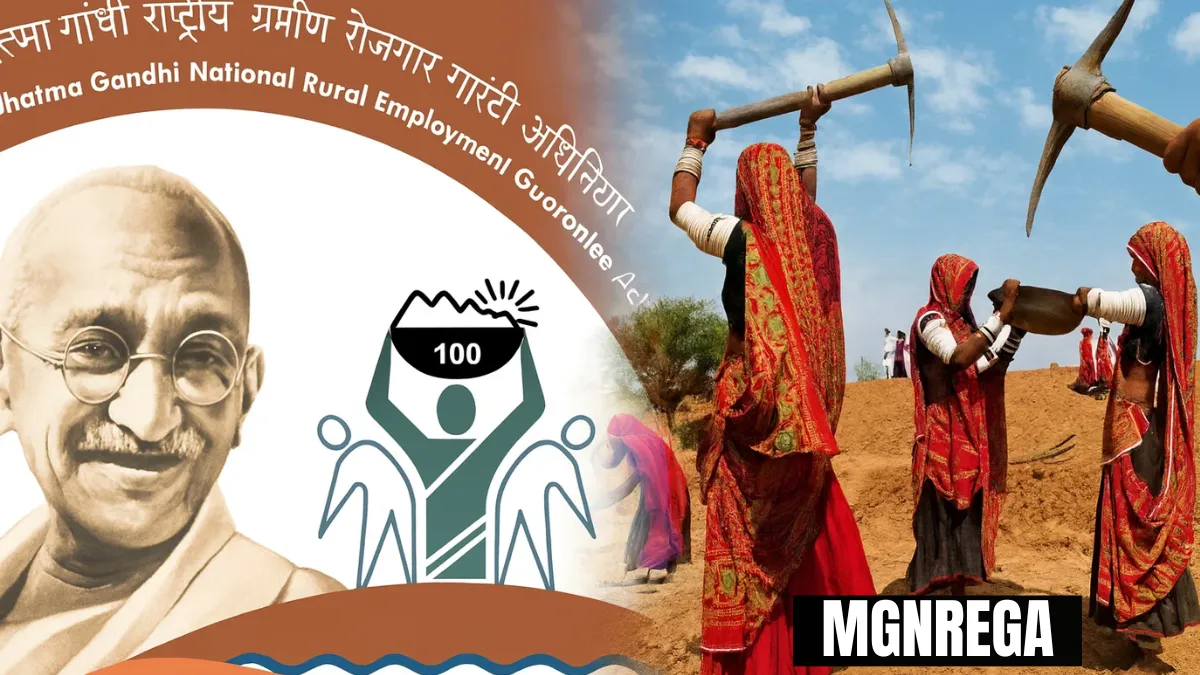
India’s rural employment landscape is on the brink of a significant transformation as the Union Government prepares to overhaul the Mahatma Gandhi National Rural Employment Guarantee Act (MGNREGA). For nearly two decades, MGNREGA has served as the backbone of rural livelihood security, guaranteeing wage employment to millions of households across the country. Now, under the government’s long-term development vision of Viksit Bharat 2047, a new framework titled the Viksit Bharat Gramin Employment Scheme is being introduced, signalling a major shift in rural job policy.
The proposed reform is not merely a change in name but a comprehensive restructuring aimed at expanding employment days, improving wage mechanisms, strengthening accountability, and aligning rural employment with broader economic development goals. The move has triggered intense political debate, policy discussions, and public interest, as it directly impacts rural workers, state governments, and India’s social security architecture.
This article examines the proposed overhaul in detail, its objectives, key changes, political reactions, challenges, and what it could mean for the future of rural employment in India.
Understanding the Legacy of MGNREGA
MGNREGA was enacted in 2005 with the objective of providing a legal guarantee of employment to rural households. Any adult member willing to do unskilled manual work was entitled to at least 100 days of wage employment in a financial year.
Key Achievements of MGNREGA
Over the years, MGNREGA has delivered multiple outcomes:
- Provided income security to crores of rural families
- Reduced distress migration during agricultural off-seasons
- Empowered women through high participation rates
- Created durable rural assets such as ponds, roads, and water-harvesting structures
- Strengthened grassroots governance through local implementation
The programme has often acted as a buffer during economic shocks, including droughts, floods, and the COVID-19 pandemic, when rural employment demand surged sharply.
Persistent Challenges
Despite its success, MGNREGA has faced several operational issues:
- Delays in wage payments
- Budgetary constraints and fund shortages
- Digital attendance and payment-related exclusions
- Allegations of corruption and fake job cards
- Uneven implementation across states
These challenges have frequently been cited as reasons for reform rather than continuation in its existing form.
Why the Government Is Pushing for an Overhaul
The government argues that rural India has changed significantly since 2005 and that employment policies must evolve accordingly.
Changing Rural Aspirations
Today’s rural workforce is younger, more mobile, and increasingly aspirational. Many workers seek skill-based employment rather than only manual labour. The existing framework, according to policymakers, does not adequately address this shift.
Alignment with Viksit Bharat 2047 Vision
The Viksit Bharat vision aims to make India a developed nation by its 100th year of independence. Rural employment is being repositioned as a tool not just for income support but for long-term economic transformation, productivity, and self-reliance.
Fiscal and Administrative Efficiency
The government also wants greater accountability, better use of public funds, and improved coordination between the Centre and states. The new scheme is expected to bring clearer fiscal responsibility and outcome-based monitoring.
What Is the Viksit Bharat Gramin Employment Scheme
The proposed Viksit Bharat Gramin Employment Scheme is designed as the successor to MGNREGA. While the core principle of guaranteed employment remains, the structure, scope, and implementation mechanisms are set to change.
Key Proposed Features
1. Increased Guaranteed Workdays
The annual guarantee is proposed to increase from 100 days to up to 125 days, offering more stable income opportunities for rural households.
2. Revised Wage Structure
Daily wages under the new framework are expected to be revised upward to reflect inflation, rising living costs, and regional variations.
3. Stronger Legal Accountability
If employment is not provided within a specified time frame, the scheme proposes stronger provisions for unemployment allowance, making the guarantee more enforceable.
4. Shared Fiscal Responsibility
States are likely to bear a greater share of financial responsibility, encouraging better planning and ownership while reducing overdependence on central allocations.
5. Integration with Development Goals
Employment under the scheme will be linked with village development projects, infrastructure creation, environmental conservation, and livelihood sustainability.
Renaming Debate and Symbolism
One of the most politically sensitive aspects of the overhaul is the proposed renaming of MGNREGA.
Government’s Stand
The government maintains that the new name reflects a forward-looking vision focused on development, employment, and livelihoods, while still honouring Gandhian principles of dignity of labour.
Opposition’s Criticism
Opposition parties argue that removing Mahatma Gandhi’s name undermines the historical and moral legacy associated with the scheme. They claim the move is ideologically motivated rather than policy-driven.
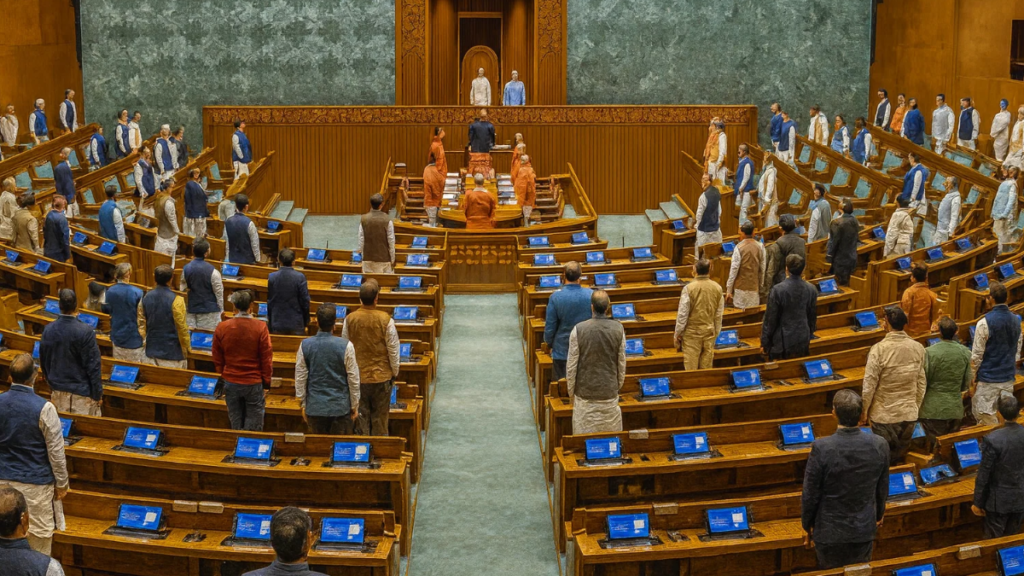
The debate has intensified in Parliament and public discourse, making the scheme as much a political issue as an economic one.
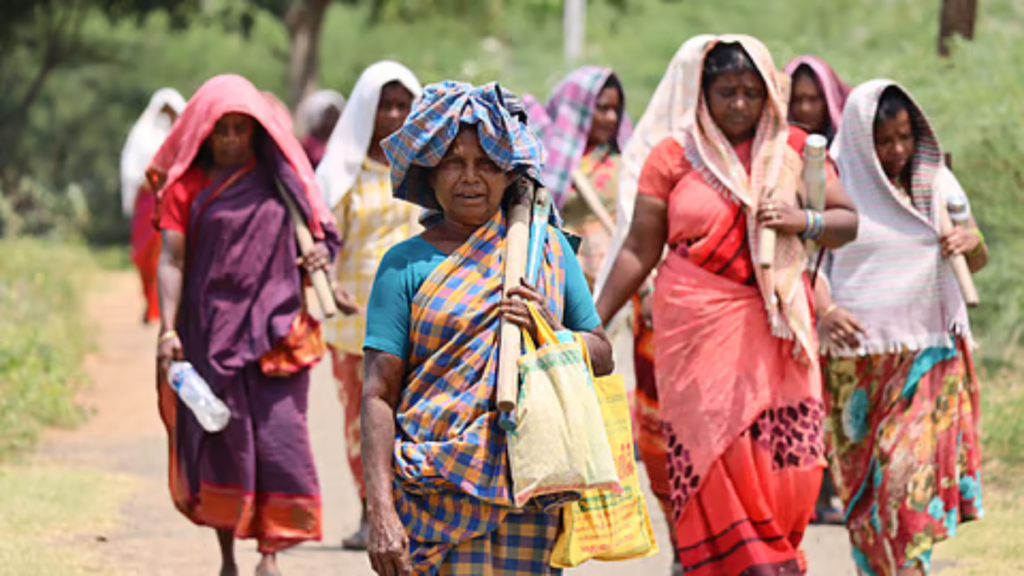
Impact on Rural Workers
Potential Benefits
- More days of assured work
- Higher and more timely wages
- Reduced vulnerability during lean agricultural seasons
- Improved rural infrastructure and assets
- Better integration with skill development initiatives
Concerns Among Workers
- Fear of stricter eligibility criteria
- Dependence on digital systems for attendance and payments
- Possibility of exclusion of marginalised groups
- Uncertainty during the transition period
Ground-level implementation will be critical in determining whether the reform benefits or burdens rural labourers.
Role of State Governments
State governments play a crucial role in implementing rural employment schemes.
Supportive States
Some states have welcomed the proposal, viewing it as an opportunity to expand rural employment and improve asset creation.
Concerned States
Other states have raised concerns about increased fiscal burden, administrative capacity, and the risk of uneven implementation across regions.
Coordination between the Centre and states will be a decisive factor in the success of the new scheme.
Administrative and Technical Challenges
Digital Infrastructure
The scheme relies heavily on digital attendance, direct benefit transfers, and data-driven monitoring. While this improves transparency, it can exclude workers with limited digital access.
Payment Delays
Past experience shows that wage delays erode trust in employment guarantees. Without timely payments, even an expanded scheme may fail to deliver real benefits.
Capacity at Local Level
Panchayats and local bodies must be adequately trained and resourced to manage the expanded scope of work.
Comparison: MGNREGA vs Viksit Bharat Gramin Employment Scheme
| Aspect | MGNREGA | New Scheme |
|---|---|---|
| Guaranteed Days | 100 | Up to 125 |
| Wage Levels | State-linked | Revised & higher |
| Focus | Manual employment | Employment + development |
| Fiscal Model | Centre-heavy | Shared responsibility |
| Long-Term Vision | Social safety net | Economic transformation |
Broader Employment Ecosystem
The rural employment overhaul is part of a wider strategy to boost job creation across sectors.
- Linkages with skill development missions
- Coordination with rural entrepreneurship programmes
- Alignment with infrastructure and housing schemes
- Support for women-led self-help groups
Together, these initiatives aim to create a more resilient and diversified rural economy.
Voices from Rural India
Many rural workers see the proposed changes as hopeful but remain cautious. Farmers, daily wage labourers, and women workers emphasize that guarantees must translate into real work and timely wages, not just policy announcements.
Local administrators stress the need for clarity in guidelines and uninterrupted fund flow during the transition.
Long-Term Implications
If implemented effectively, the Viksit Bharat Gramin Employment Scheme could:
- Strengthen rural income security
- Reduce migration pressure on cities
- Improve village-level infrastructure
- Support environmental sustainability
- Contribute to inclusive economic growth
However, failure to address administrative bottlenecks could weaken public confidence in employment guarantees.
Also Read:Gujarati Film Laalo Achieves Grand Success, Wins Hearts of Families Everywhere
Conclusion
The proposed overhaul of MGNREGA marks a turning point in India’s rural employment policy. By introducing the Viksit Bharat Gramin Employment Scheme, the government aims to modernise job guarantees, expand coverage, and align rural livelihoods with long-term national development goals.
While the intent appears ambitious and forward-looking, the real test lies in execution. Preserving the core promise of guaranteed employment, ensuring timely wages, and protecting the interests of the most vulnerable will determine whether this reform becomes a milestone in rural development or a missed opportunity.
As India moves towards its Viksit Bharat 2047 vision, the future of rural employment will play a defining role in shaping inclusive growth and social stability.
FAQs
Q1. Is MGNREGA being completely scrapped?
No, it is being restructured and replaced with a new framework focused on expanded employment and development goals.
Q2. How many workdays will be guaranteed under the new scheme?
The proposal suggests up to 125 days of guaranteed work annually.
Q3. Will wages increase?
Yes, wage revisions are part of the proposed reforms.
Q4. Why is the scheme being renamed?
The government says the new name reflects a future-oriented development vision.
Q5. What are the main concerns?
Funding, implementation capacity, payment delays, and worker inclusion.

I’m a professional news publisher and passionate blogger, sharing trending stories, breaking news, and digital culture from around the world.