







Introduction
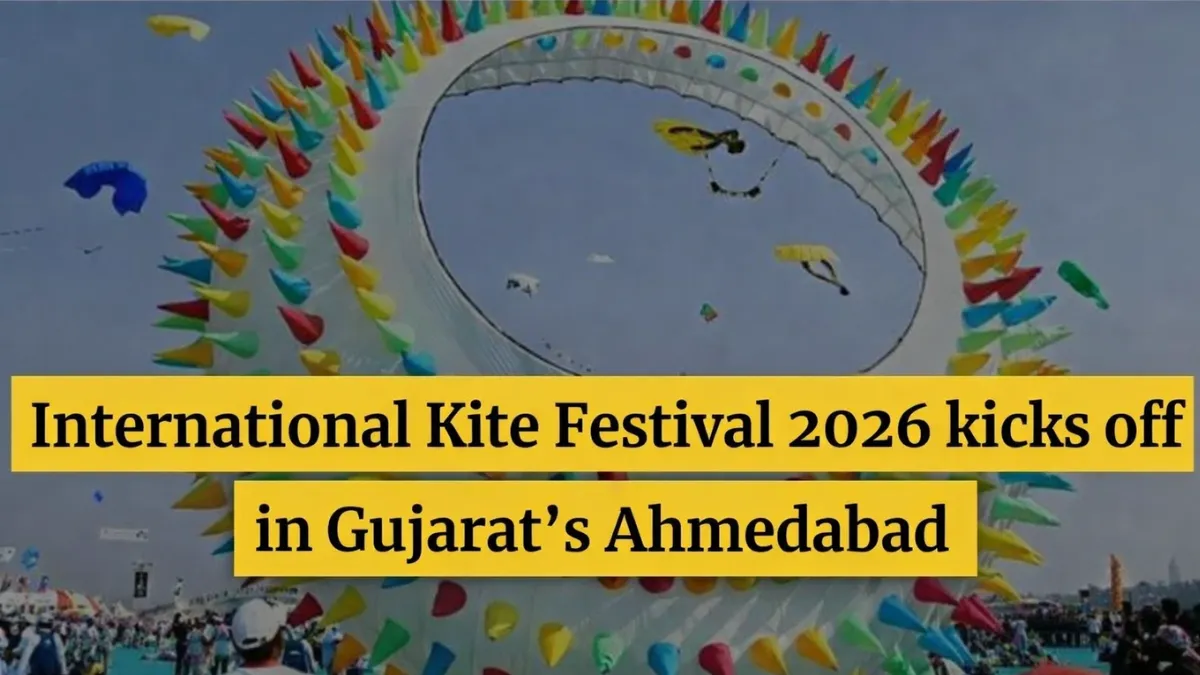
Kite Festival 2026-Every January, the skies of Ahmedabad explode with a riot of color as thousands of kites take flight during the International Kite Festival, also called Uttarayan. This year, the festival gains special significance as Prime Minister Narendra Modi is scheduled to inaugurate the event, and German Chancellor Friedrich Merz will be joining as a guest of honor. This confluence of culture and diplomacy highlights the festival’s transformation from a local tradition to a global spectacle.
The 2026 festival promises a perfect blend of tradition, innovation, diplomacy, and entertainment, drawing visitors, kite enthusiasts, and dignitaries from around the world. This article delves into the history, schedule, cultural significance, international participation, and the logistical, economic, and diplomatic dimensions of the festival.
1. The Cultural Legacy of the International Kite Festival
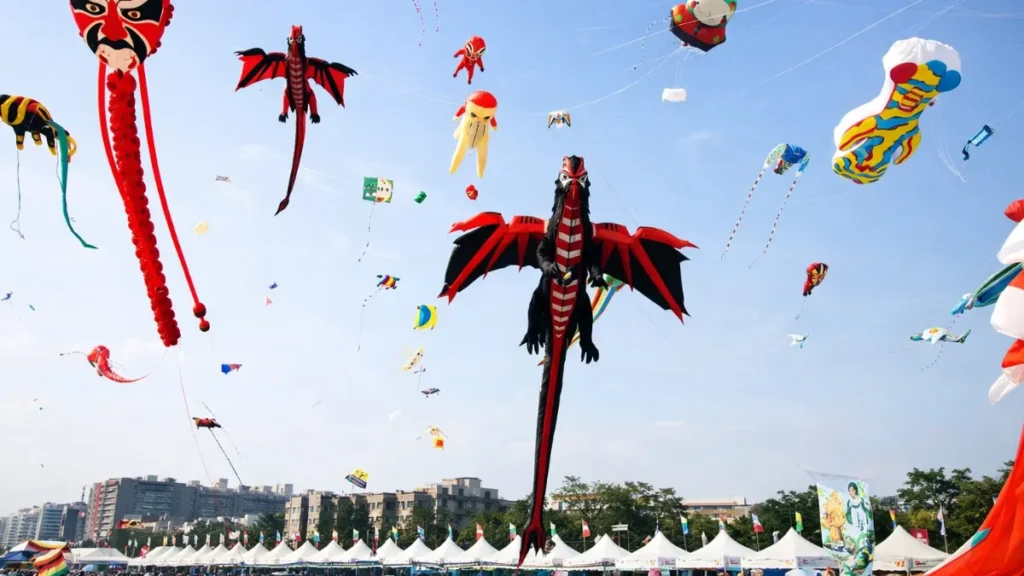
1.1 Origins and Historical Background
The festival of Uttarayan marks the transition of the sun into the northern hemisphere, according to the Hindu calendar, signaling the end of winter and the arrival of longer days. Traditionally, it is a time of harvest celebrations, family gatherings, and joyous kite flying.
Kite flying during Uttarayan has been a part of Gujarati culture for centuries. Rooftops across Ahmedabad would come alive with families flying handmade kites, competing to cut each other’s strings, and sharing festive delicacies like undhiyu, jalebi, and fafda. Over the years, this simple tradition evolved into an organized international festival, inviting participants from across the globe and showcasing kites of intricate design and extraordinary size.
1.2 Ahmedabad’s Rise as the Kite Capital
Ahmedabad, with its historic charm and riverfront expanses, became the natural hub for kite flying. The Sabarmati Riverfront, in particular, provides an expansive open area perfect for mass kite flying events. Traditional markets, such as Patang Bazaar, flourish during this period, offering a wide variety of kites and materials. The city transforms into a vibrant festival zone, where culture, commerce, and tourism intersect.
2. Ahmedabad Kite Festival 2026: Dates and Highlights
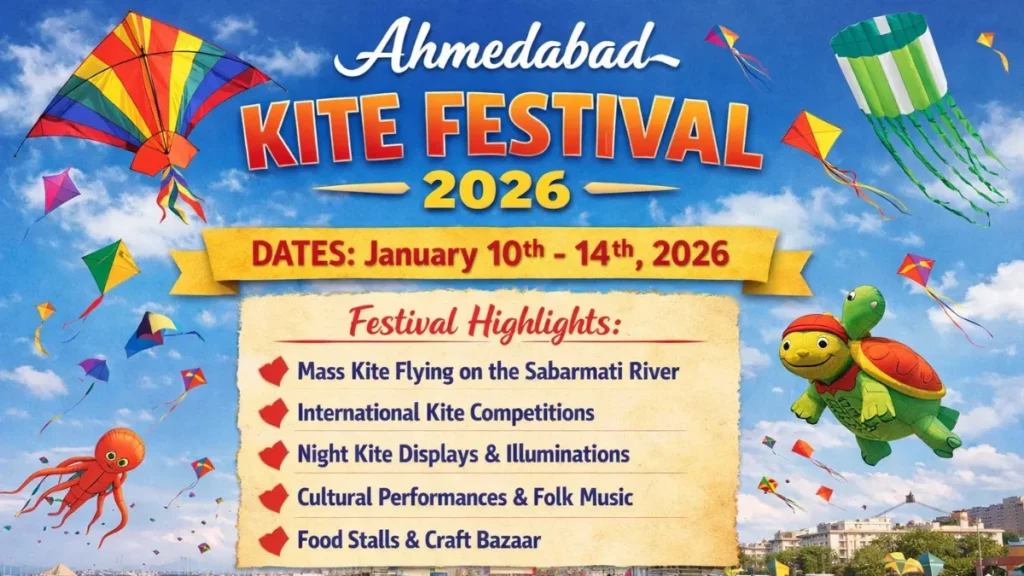
The 2026 festival will span several days, with the main event scheduled from January 12 to January 14 at the Sabarmati Riverfront, Ahmedabad. Satellite events and exhibitions are also planned in cities like Vadodara, Rajkot, Surat, and Dholavira, ensuring a state-wide celebration of culture and art.
2.1 Detailed Schedule
- January 10: Pre-festival events in Rajkot, Surat, and Dholavira with kite flying competitions and workshops for local communities.
- January 11: Cultural programs and kite exhibitions in Vadnagar, Shivrajpur, and the Statue of Unity area.
- January 12–14: The main festival in Ahmedabad featuring kite competitions, international kite displays, and cultural performances.
- January 13: Special performances and kite flying demonstrations in Vadodara.
- January 14: Concluding celebrations across Gujarat, including kite parades, competitions, and closing ceremonies.
The festival is designed to be inclusive, offering free access to the public, with special zones for families, children, and international participants.
2.2 Visual Attractions
Participants from around the world are expected to bring kites that display artistic innovation, cultural symbolism, and engineering mastery. From massive thematic kites shaped like animals and historic figures to traditional diamond-shaped kites, the sky will serve as a canvas of color and creativity.
Other attractions include:
- Folk music and dance performances.
- Kite-making workshops demonstrating traditional and modern techniques.
- Food stalls featuring authentic Gujarati cuisine.
- Cultural exhibitions and handicraft markets.
3. PM Modi and German Chancellor Friedrich Merz: Significance of Their Attendance
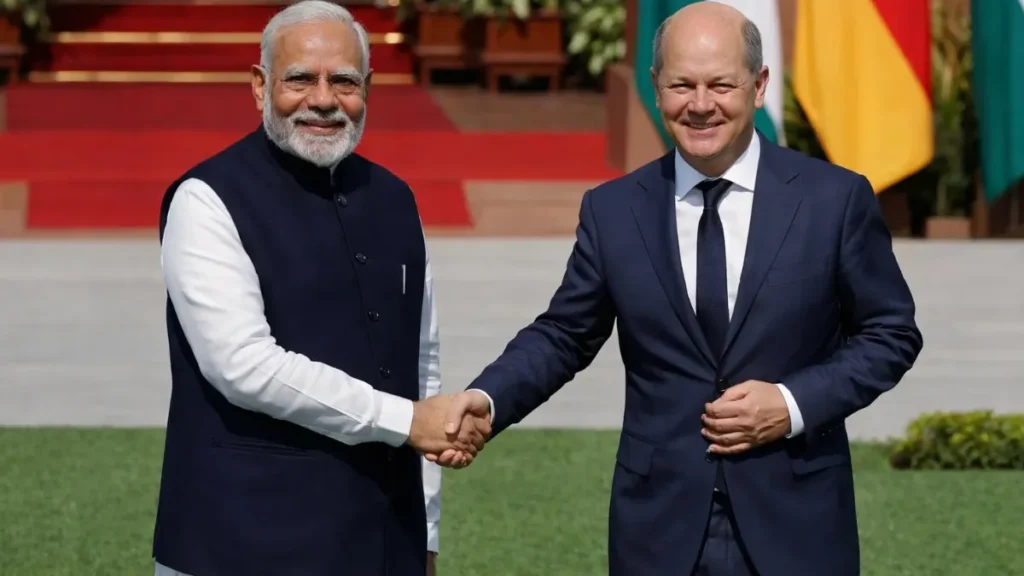
The 2026 festival is unique due to the presence of two world leaders, transforming a cultural event into a stage for diplomacy.
3.1 Prime Minister Narendra Modi
PM Modi is scheduled to inaugurate the festival on January 12, 2026. During his three-day visit to Gujarat, his itinerary includes:
- Opening the International Kite Festival at Sabarmati Riverfront.
- Visiting the Sabarmati Ashram, paying homage to Mahatma Gandhi.
- Inaugurating new civic projects in Ahmedabad and Gandhinagar, highlighting urban development and cultural heritage.
His participation emphasizes the festival’s role in cultural identity, community engagement, and tourism promotion.
3.2 German Chancellor Friedrich Merz
Chancellor Merz will attend the festival as part of his official visit to India. Highlights of his involvement include:
- Joining PM Modi at Sabarmati Ashram and the kite festival.
- Participating in bilateral discussions on trade, technology, green energy, education, and innovation.
- Engaging in public diplomacy, strengthening cultural and people-to-people ties between Germany and India.
This represents an unprecedented integration of cultural celebration and international diplomacy, elevating the festival to a global event.
4. The Festival as a Platform for Cultural Diplomacy
4.1 Soft Power and International Appeal
The festival provides an opportunity to showcase India’s rich cultural heritage and tradition of joyous celebration. Kite flying is a universal activity, offering a metaphor for freedom, creativity, and unity, which resonates globally. The attendance of international leaders highlights India’s soft power and cultural influence.
4.2 Strengthening India-Germany Relations
By incorporating cultural events like the kite festival into official diplomatic visits, India and Germany signal a comprehensive approach to partnership that combines strategic cooperation with cultural engagement. This helps strengthen:
- Economic ties and bilateral trade.
- Technology and innovation collaborations.
- Education and cultural exchange programs.
- Green energy and sustainability initiatives.
5. Visitor Experience: What to Expect
5.1 Kite Competitions and Demonstrations
The festival features:
- Traditional kite flying competitions.
- Expert demonstrations from international kite flyers.
- Innovative giant kites designed to inspire and educate.
Spectators can witness high-flying action, including kite string cutting contests, which are a traditional highlight.
5.2 Workshops and Interactive Experiences
Visitors can participate in:
- Kite-making workshops.
- Interactive storytelling sessions on cultural heritage.
- Photography and art competitions.
5.3 Cultural Performances and Food
Visitors enjoy folk music, dance, and theater performances, along with a wide array of local street food, making it a multi-sensory celebration of Gujarati culture.
6. Logistics, Safety, and Environmental Considerations
6.1 Crowd Management
Authorities implement extensive planning for:
- Traffic and parking management around festival venues.
- Public transport enhancements.
- Temporary visitor facilities, including restrooms and first-aid zones.
6.2 Safety Measures
Banned kite strings and sharp materials are strictly prohibited to protect participants, birds, and animals. Awareness campaigns ensure safe kite flying practices.
6.3 Environmental Sustainability
Organizers promote eco-friendly kites and biodegradable strings, reducing environmental impact and fostering responsible festival practices.
7. Economic Impact
7.1 Boost to Tourism and Local Businesses
The festival significantly contributes to:
- Hotel occupancy and hospitality revenue.
- Restaurant and street food sales.
- Local kite markets and handicraft sales.
7.2 International Exposure
The presence of dignitaries and international participants enhances media coverage, drawing global attention to Ahmedabad and Gujarat, and positioning India as a prime cultural and tourist destination.
Also Read : Ahmedabad Flower Show 2026: Breaking Guinness World Records with Stunning Floral Art
8. Conclusion
The Ahmedabad Kite Festival 2026 promises to be a landmark event that seamlessly blends tradition, culture, international diplomacy, and entertainment. With PM Modi inaugurating the festival and German Chancellor Merz attending, the event is more than a festival — it is a celebration of India’s heritage, global partnerships, and creative spirit.
From the colorful skies above Sabarmati Riverfront to cultural performances, workshops, and international kite displays, this festival encapsulates the joy of human connection, the beauty of tradition, and the power of cultural diplomacy. The 2026 edition will be remembered not just for its kites, but for its message of unity, collaboration, and celebration on a global scale.
FAQs – Ahmedabad Kite Festival 2026
Q1: When is the Ahmedabad Kite Festival 2026 scheduled?
A1: The festival is scheduled from January 12 to January 14, 2026, with pre-festival events starting from January 10 in cities across Gujarat.
Q2: Where will the main events of the festival take place?
A2: The main festival will be held at the Sabarmati Riverfront in Ahmedabad, with satellite events in Vadodara, Rajkot, Surat, Dholavira, and other cities.
Q3: Who are the notable attendees of the 2026 festival?
A3: Prime Minister Narendra Modi will inaugurate the festival, and German Chancellor Friedrich Merz will attend as a guest of honor, highlighting the festival’s diplomatic and cultural significance.
Q4: Can tourists and families attend the festival?
A4: Yes, the festival is open to the public, with special zones for families, children, and international visitors. Entry to most events is free.
Q5: What activities are included in the festival besides kite flying?
A5: The festival includes kite competitions, giant kite demonstrations, workshops, cultural performances, folk music and dance, food stalls, and handicraft exhibitions.
Q6: Are there any safety guidelines for participants?
A6: Yes. Dangerous kite strings such as glass-coated or sharp strings are banned. Authorities conduct awareness campaigns to ensure safe kite flying for participants and protect birds and animals.
Q7: Will international participants be part of the festival?
A7: Yes. Kite enthusiasts and experts from countries like the USA, Japan, UK, France, Australia, and Indonesia are expected to showcase kites representing their culture and creativity.
Q8: How does the festival benefit Ahmedabad economically?
A8: The festival boosts tourism, hotel occupancy, local food markets, handicraft sales, and overall cultural commerce, generating significant economic activity.
Q9: Is the festival eco-friendly?
A9: Yes. Organizers promote biodegradable kite strings and eco-friendly materials, reducing environmental impact while preserving tradition.
Q10: Why is the attendance of the German Chancellor significant?
A10: The presence of Chancellor Merz represents cultural diplomacy, strengthens India-Germany ties, and integrates international engagement with cultural celebration.

I’m a professional news publisher and passionate blogger, sharing trending stories, breaking news, and digital culture from around the world.