







January 10, 2026 — Updated Today
Iran Protests-Iran is witnessing one of the most intense waves of civil unrest in recent years, with protests entering their 13th consecutive day. Citizens across Tehran and other major cities have taken to the streets to express frustration over economic hardship, rising unemployment, inflation, and dissatisfaction with the government. The demonstrations, which began in late December 2025, have now grown into a nationwide movement with political undertones, demanding both reform and accountability.
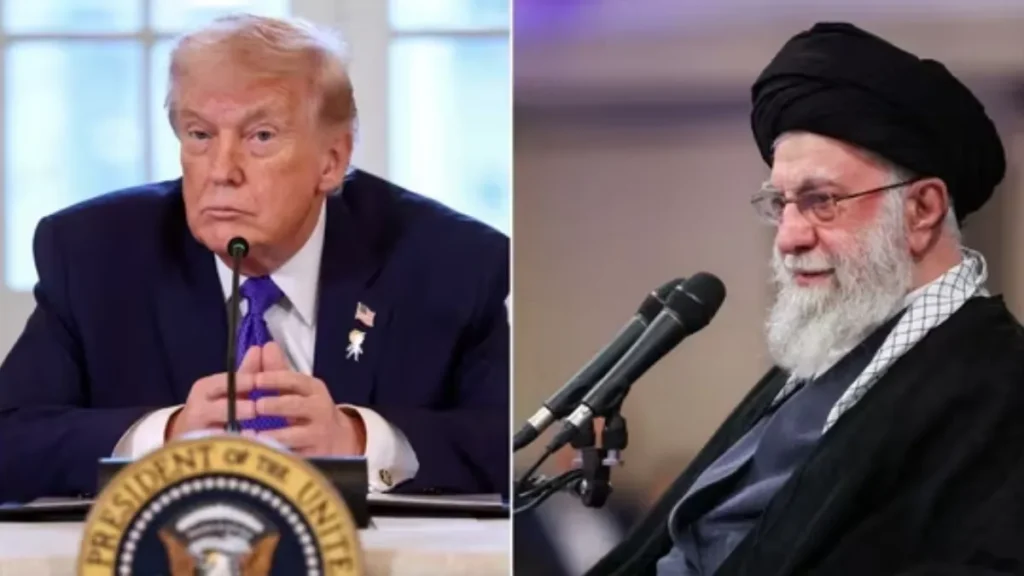
Iran Protests-Adding to the tension, a senior Tehran-based official has made a controversial statement suggesting a “Maduro-style” action against former U.S. President Donald Trump, referencing bold, decisive international actions in other countries. This remark has intensified the political standoff between Iran and the United States and drawn global attention to the unfolding crisis.
Iran Protests: Background of the Protests
The protests were initially triggered by economic grievances, including:
- High inflation and currency devaluation
- Rising prices of essential goods like food, fuel, and medicine
- Unemployment, particularly among youth and professionals
- Frustration with government policies and perceived corruption
As the movement progressed, political demands became more pronounced, with citizens calling for greater freedoms, transparency, and accountability from the regime. The protests have now become multi-dimensional, reflecting both social and political dissatisfaction.
Scale and Spread of Demonstrations
The unrest has spread across all major cities and provinces, including Tehran, Mashhad, Isfahan, Shiraz, and Tabriz, as well as smaller towns and rural areas.
The demographics of protesters are diverse:
- Young people seeking job opportunities and reforms
- Students and professionals advocating for freedom of expression
- Families affected by rising living costs
- Women and activists demanding social and personal liberties
This broad participation highlights the depth and persistence of public dissatisfaction.
Government Response
Iranian authorities have responded with strict measures to contain the protests:
- Internet and communication blackouts have been implemented nationwide, disrupting coordination among protesters.
- Police and paramilitary forces, including Basij units, have been deployed in large numbers.
- Reports indicate roadblocks, checkpoints, and dispersal operations in multiple cities.
- Detentions and arrests of demonstrators, journalists, and activists have increased.
- Supreme Leader Ayatollah Ali Khamenei has condemned the protests, accusing participants of serving foreign interests, particularly U.S. influence.
Government rhetoric emphasizes national sovereignty and public order, framing the protests as influenced by external powers.
The ‘Maduro-Style’ Statement
Iran Protests A senior Iranian official suggested that decisive measures akin to a “Maduro-style” approach could be applied in response to U.S. actions, especially statements made by former President Donald Trump. This remark appears aimed at:
- Projecting strength against perceived foreign interference
- Justifying harsh measures against domestic dissent
- Signaling a readiness to escalate political and diplomatic confrontation
Meanwhile, exiled Iranian Crown Prince Reza Pahlavi has called on the United States to support Iranian protesters, urging what he described as “swift and decisive action” to protect the movement and advance democratic reforms.
This back-and-forth rhetoric has heightened tensions and underscored the international dimension of Iran’s domestic unrest.
Casualties and Humanitarian Concerns
Although precise numbers are difficult to verify due to the communications blackout, reports indicate:
- Dozens of deaths in cities where clashes with security forces occurred
- Hundreds injured, including from tear gas, rubber bullets, and beatings
- Thousands detained, including activists and journalists
The ongoing unrest has also disrupted daily life:
- Schools and businesses have temporarily closed
- Public transport is affected by blockades
- Access to essential services, including healthcare, is limited in several areas
Humanitarian organizations have expressed deep concern over the treatment of detainees and access to medical care.
International Reactions
Iran Protests-The international community has responded cautiously:
- Western governments have urged restraint and condemned violence against peaceful protesters
- Human rights organizations have criticized the excessive use of force and communication restrictions
- Neighboring countries are monitoring the situation for potential regional implications
At the same time, Tehran has denounced foreign statements as interference in domestic affairs, framing the protests as part of an external agenda.
Current Situation
- Protests are ongoing in multiple cities despite the blackout and security operations.
- Government forces continue to enforce restrictions, creating tension-filled urban environments.
- The death toll and number of arrests are expected to rise as confrontations continue.
- Political rhetoric emphasizes resistance to foreign interference and readiness to counter external pressures.
The situation remains volatile, with both domestic and international implications.
Potential Scenarios
- Escalation of Protests – Demonstrators could intensify actions, leading to higher casualties and further crackdowns.
- Government Concessions – Authorities may introduce limited reforms or economic relief to reduce public discontent.
- International Involvement – External actors could increase pressure or support for protesters, risking escalation.
- Stalemate – Protests might gradually decline under repression, leaving underlying grievances unresolved.
The coming days will be crucial in determining the trajectory of this crisis.
Also Read : US Takes Step Against Venezuela: Maduro Court Appearance Confirmed, Trump Says ‘We’re in Charge’
Conclusion(Iran Protests)
Iran is at a critical crossroads. Protests sparked by economic distress have evolved into a nationwide political challenge. The controversial “Maduro-style” statement adds a volatile international dimension, highlighting the tension between domestic dissent and foreign policy stakes.
The response of the Iranian government and the international community in the coming days will be decisive, shaping the future of political stability, human rights, and the potential for reform in the country.
Frequently Asked Questions (FAQs)
Q1. Why are Iranians protesting?
The protests are driven by economic hardship, high inflation, unemployment, and broader political dissatisfaction.
Q2. What is meant by “Maduro-style” action?
It refers to decisive, bold actions in international politics, as seen in the Venezuelan context, and here is used in rhetoric involving U.S.-Iran tensions.
Q3. How has the Iranian government responded?
The government has imposed internet blackouts, deployed security forces, arrested protesters, and framed the unrest as influenced by foreign powers.
Q4. Are there casualties?
Reports suggest dozens killed and hundreds injured, with thousands detained.
Q5. What is the international reaction?
Western governments and human rights organizations have urged restraint and criticized the crackdown on protesters.

I’m a professional news publisher and passionate blogger, sharing trending stories, breaking news, and digital culture from around the world.