








Introduction
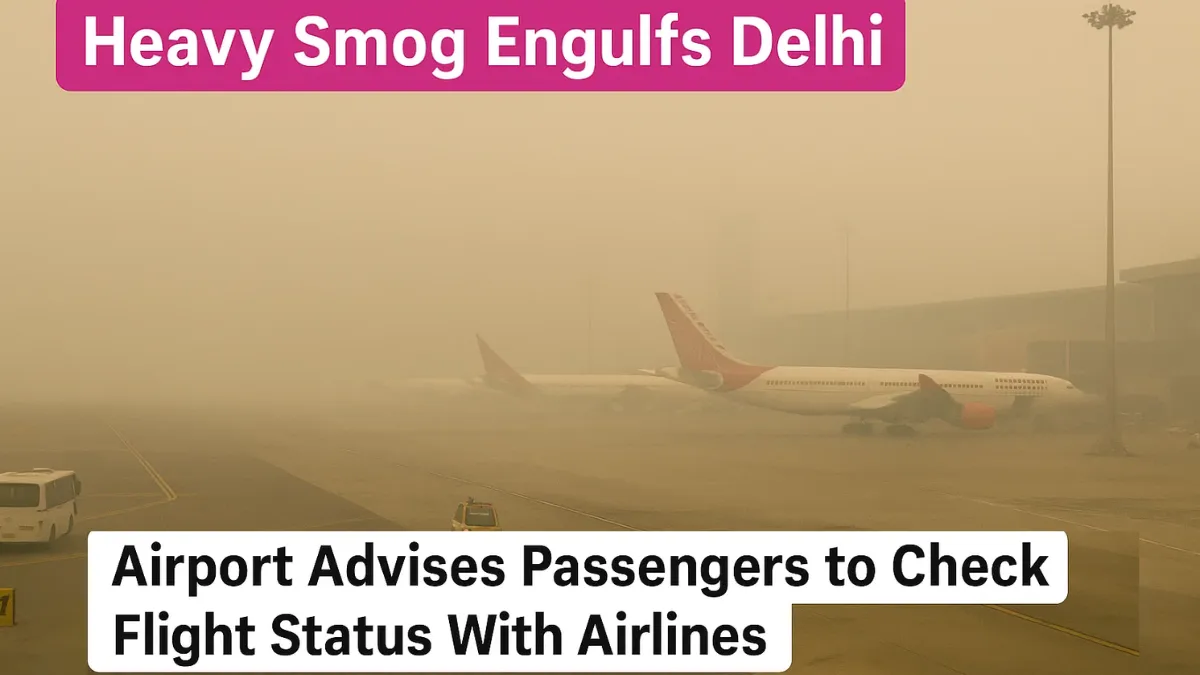
Heavy Smog Engulfs Delhi -Delhi once again finds itself under a thick blanket of smog, disrupting daily life and raising serious concerns about public health, transportation, and environmental sustainability. As visibility dropped sharply across the national capital, air quality deteriorated to hazardous levels, prompting authorities to issue advisories and residents to take precautionary measures. Among the most affected sectors is aviation, with Delhi’s airport cautioning passengers to check their flight status directly with airlines before heading out.
The recurring problem of severe air pollution in Delhi has become a seasonal crisis, particularly during the winter months. A combination of meteorological conditions, vehicular emissions, industrial pollution, construction dust, and agricultural stubble burning in neighboring states contributes to the formation of dense smog. This toxic mix not only affects visibility but also poses long-term health risks to millions of residents.
In recent days, the situation worsened as calm winds and low temperatures trapped pollutants close to the ground. Several areas reported extremely poor to severe air quality index (AQI) readings, while hospitals observed a rise in patients suffering from respiratory issues, eye irritation, and cardiovascular complaints. Schools, offices, and outdoor workers have been forced to reconsider normal operations.
Against this backdrop, Delhi’s airport authorities issued an advisory urging travelers to remain updated on flight schedules, as low visibility conditions can lead to delays, diversions, or cancellations. This development highlights how environmental challenges are increasingly intersecting with urban infrastructure, mobility, and economic activity.
Current Smog Situation in Delhi
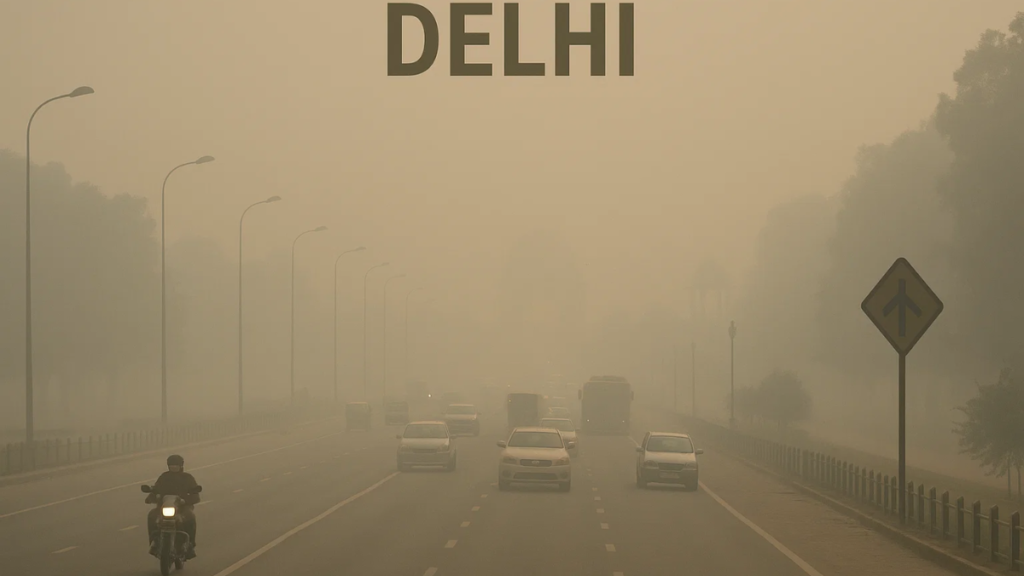
Delhi’s skyline has virtually disappeared under a gray haze, with visibility levels dropping significantly during early morning and late-night hours. The smog has affected almost all parts of the city, from residential neighborhoods to commercial hubs and arterial roads. Commuters have reported slower travel times, while traffic police have advised drivers to exercise caution due to reduced visibility.
Meteorological experts explain that temperature inversion plays a critical role in worsening smog conditions. During winter, cooler air near the surface gets trapped under a layer of warmer air above, preventing pollutants from dispersing. As a result, emissions from vehicles, power plants, and other sources accumulate rapidly.
Another contributing factor is the increase in biomass burning, particularly crop residue burning in surrounding agricultural regions. Smoke from these fires travels hundreds of kilometers and mixes with local emissions, intensifying the smog. Festive firecrackers, though regulated, also add to the pollution load during certain periods.
Despite efforts such as the implementation of pollution control measures, restrictions on construction activities, and promotion of public transport, the scale of the problem remains daunting. Environmental experts stress that without sustained, multi-state cooperation and long-term policy interventions, Delhi will continue to face such crises year after year.
Impact on Air Travel and Airport Advisory
One of the most immediate and visible impacts of heavy smog is on air travel. Low visibility conditions can disrupt flight operations, especially during early morning hours when smog tends to be densest. Delhi’s airport authorities have therefore advised passengers to stay in touch with their respective airlines to confirm flight schedules.
Flight delays and diversions occur when visibility falls below the minimum requirements for safe takeoff and landing. Although modern aircraft are equipped with advanced navigation systems, extreme weather conditions still pose operational challenges. In some cases, flights may be rescheduled or rerouted to nearby airports to ensure passenger safety.
Passengers are encouraged to plan their journeys with additional buffer time, use official airline communication channels, and remain patient in case of delays. Airport operations teams work closely with air traffic control, airlines, and meteorological departments to manage schedules and minimize inconvenience.
The advisory also underscores the broader economic implications of air pollution. Flight disruptions can lead to cascading delays across the network, increased operational costs for airlines, and inconvenience for business travelers and tourists alike. Over time, such disruptions can affect the city’s reputation as a global travel hub.
Highlight Table: Key Impacts of Heavy Smog in Delhi
| Area Affected | Key Challenges | Immediate Effects | Long-Term Concerns |
|---|---|---|---|
| Air Quality | Hazardous AQI levels | Breathing difficulty, irritation | Chronic respiratory diseases |
| Aviation | Low visibility | Flight delays, diversions | Increased operational costs |
| Road Transport | Poor visibility | Traffic congestion, accidents | Reduced productivity |
| Public Health | Pollution exposure | Rise in hospital visits | Long-term health burden |
| Education & Work | Outdoor restrictions | School advisories, remote work | Learning and economic loss |
Health Implications of Prolonged Smog Exposure
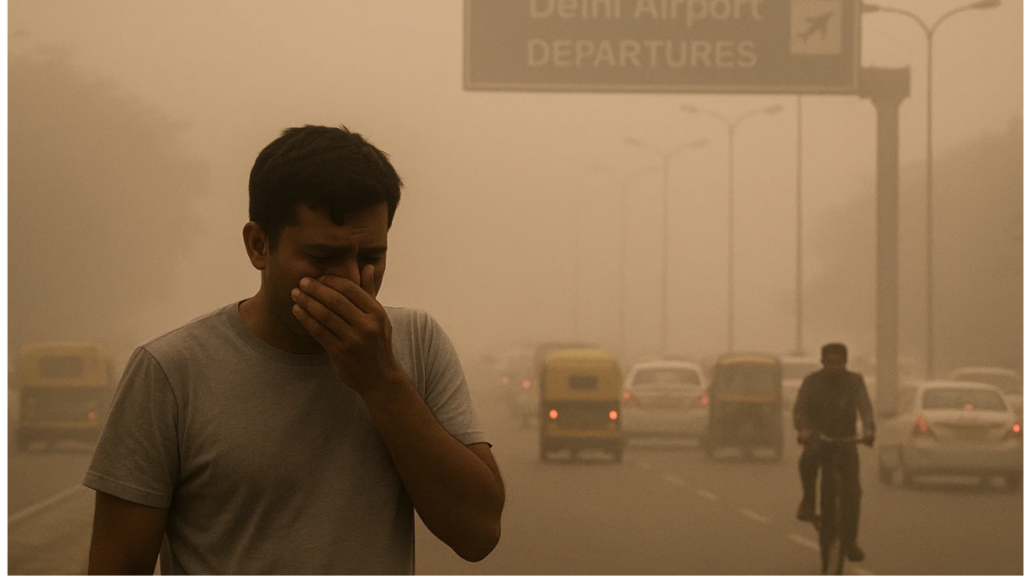
The health consequences of prolonged exposure to smog are severe and wide-ranging. Fine particulate matter, especially PM2.5, can penetrate deep into the lungs and even enter the bloodstream. This increases the risk of respiratory infections, asthma attacks, heart disease, and stroke.
Children and the elderly are particularly vulnerable. For children, exposure to polluted air can impair lung development and increase susceptibility to illnesses. Elderly individuals and those with pre-existing conditions face heightened risks of complications and hospitalizations.
Doctors advise residents to limit outdoor activities, wear protective masks, and use air purifiers indoors when possible. Staying hydrated and maintaining a balanced diet rich in antioxidants can also help mitigate some effects of pollution.
Public awareness campaigns play a crucial role in educating citizens about preventive measures. However, experts emphasize that individual precautions are only a temporary solution; systemic changes are necessary to address the root causes of pollution.
Government Measures and Emergency Responses
In response to worsening air quality, authorities often activate emergency pollution control plans. These measures may include restrictions on construction activities, bans on certain types of vehicles, and temporary shutdowns of polluting industries.
Traffic regulations such as odd-even vehicle schemes are sometimes implemented to reduce vehicular emissions. Public transport services may be enhanced to encourage commuters to leave their private vehicles at home.
Environmental monitoring agencies continuously track pollution levels and issue advisories based on real-time data. Coordination between central, state, and municipal bodies is essential to ensure effective implementation of these measures.
While emergency responses provide short-term relief, policymakers acknowledge the need for sustainable solutions. Investments in clean energy, electric mobility, waste management, and urban planning are critical for long-term improvement in air quality.
Role of Citizens in Combating Air Pollution
Citizens play a vital role in reducing pollution levels through everyday choices and collective action. Using public transport, carpooling, and adopting cleaner fuels can significantly cut down emissions.
Avoiding open burning of waste, supporting green initiatives, and participating in tree-planting drives contribute to a healthier environment. Public pressure and community engagement can also push authorities to enforce environmental regulations more strictly.
Educational institutions and workplaces can promote awareness by organizing workshops, encouraging remote work during high pollution days, and adopting eco-friendly practices.
Ultimately, tackling air pollution requires a shared sense of responsibility. When citizens, governments, and industries work together, meaningful progress becomes possible.
Economic and Social Impact of Smog
Beyond health and transportation, smog has far-reaching economic and social consequences. Reduced productivity due to illness, travel delays, and restricted outdoor activities can lead to significant economic losses.
Tourism is also affected, as visitors may avoid destinations known for poor air quality. Businesses dependent on outdoor footfall, such as markets and street vendors, often suffer during severe smog episodes.
Social life takes a hit as people limit outdoor gatherings and recreational activities. Over time, this can affect mental well-being and quality of life.
Addressing air pollution is therefore not just an environmental imperative but also an economic and social necessity.
Long-Term Solutions for Cleaner Air
Heavy Smog Engulfs Delhi: Experts agree that long-term solutions must focus on structural reforms and sustainable development. Transitioning to renewable energy sources, improving public transport infrastructure, and enforcing stricter emission norms are key steps.
Urban planning that prioritizes green spaces, pedestrian-friendly zones, and reduced congestion can help lower pollution levels. Regional cooperation between states is essential to tackle cross-border pollution sources such as agricultural burning.
Technological innovations, including real-time pollution monitoring and cleaner industrial processes, offer promising avenues for improvement. However, political will and consistent implementation remain crucial.
A cleaner Delhi is achievable, but it requires sustained commitment from all stakeholders.
Also Read:https://trendnewspulse.com/trump-signs-executive-order-restricting-ai/
Conclusion
The heavy smog engulfing Delhi once again serves as a stark reminder of the city’s ongoing air pollution crisis. With hazardous air quality levels affecting health, disrupting transportation, and impacting daily life, the need for urgent and sustained action has never been greater. The airport advisory urging passengers to check flight status with airlines highlights how deeply environmental issues are intertwined with urban infrastructure and economic activity.
While emergency measures and individual precautions provide temporary relief, long-term solutions lie in systemic change, regional cooperation, and collective responsibility. Only through coordinated efforts can Delhi hope to breathe cleaner air and ensure a healthier future for its residents.
Frequently Asked Questions (FAQs)
Q1. Why does Delhi experience severe smog every year?
Delhi’s smog is caused by a combination of vehicular emissions, industrial pollution, construction dust, crop residue burning, and unfavorable winter weather conditions.
Q2. How does smog affect flight operations?
Smog reduces visibility, which can lead to flight delays, diversions, or cancellations to ensure safety.
Q3. What precautions should residents take during heavy smog?
Limit outdoor activities, wear protective masks, use air purifiers, and follow health advisories.
Q4. Are children more affected by air pollution?
Yes, children are more vulnerable as pollution can affect lung development and overall health.
Q5. What can individuals do to help reduce pollution?
Use public transport, avoid waste burning, support clean energy, and adopt eco-friendly habits.

I’m a professional news publisher and passionate blogger, sharing trending stories, breaking news, and digital culture from around the world.