










Introduction
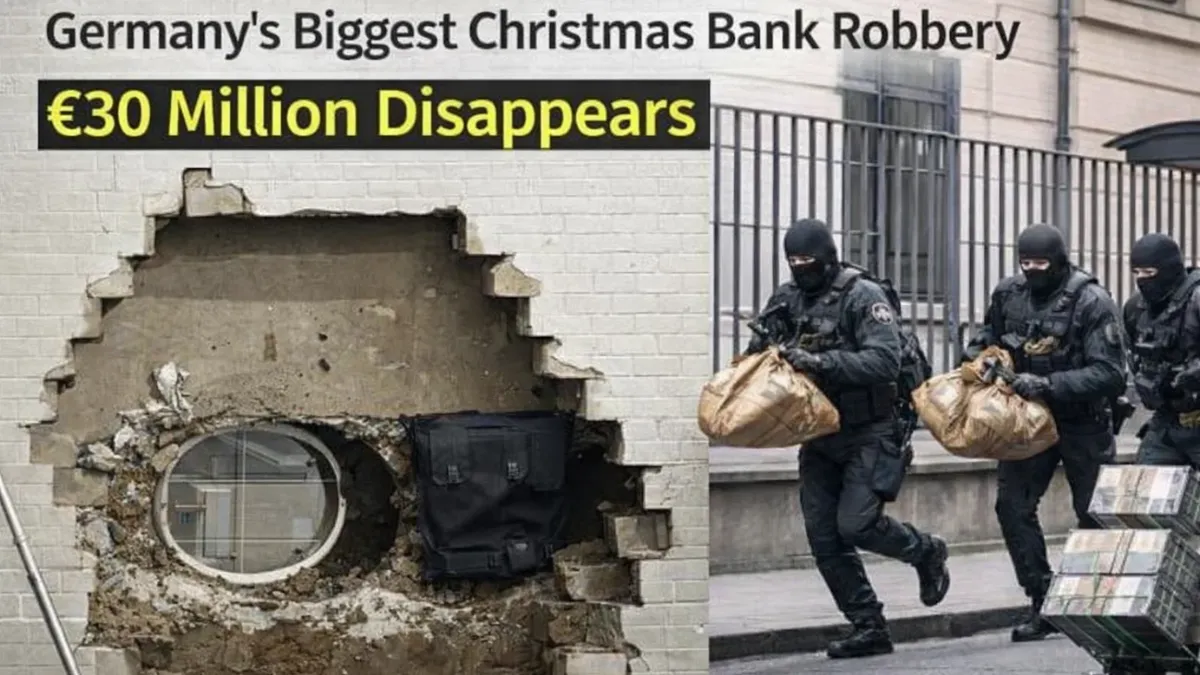
While Germany slowed down for Christmas celebrations, a group of highly organized criminals was quietly carrying out one of the most audacious bank robberies the country has seen in decades. In the western German city of Gelsenkirchen, a local savings bank branch became the target of a meticulously planned heist that unfolded unnoticed during the holiday lull. By the time authorities realized something was wrong, an estimated €30 million had vanished.
The robbery did not involve guns, hostages, or dramatic confrontations. Instead, it relied on patience, precision, and an intimate understanding of security blind spots. Investigators believe the criminals used professional-grade drilling equipment to penetrate reinforced concrete walls and access the bank’s underground vault, where thousands of private safe deposit boxes were stored.
The crime was only discovered when a fire alarm was triggered in the early hours after Christmas. What initially appeared to be a routine emergency response soon escalated into a major criminal investigation. Firefighters and police officers entering the building encountered a scene that immediately signaled a large-scale breach: damaged vault walls, forced deposit boxes, and evidence of prolonged unauthorized access.
As news spread, shocked customers gathered outside the bank, many fearing the loss of lifetime savings, family jewelry, gold reserves, and irreplaceable heirlooms. For some victims, the emotional damage was as severe as the financial loss. The robbery shattered long-held assumptions about the safety of bank vaults, especially during holiday periods.
Now, German authorities are racing against time to identify the perpetrators, trace stolen assets, and reassure the public. The case has triggered nationwide concern about banking security and raised urgent questions about how such a massive theft could occur without detection for days.
How the Heist Was Executed
According to investigators, the criminals exploited a critical vulnerability: reduced activity during the Christmas break. The bank branch was closed for several days, and routine human oversight was minimal. This created an ideal window for an extended operation.
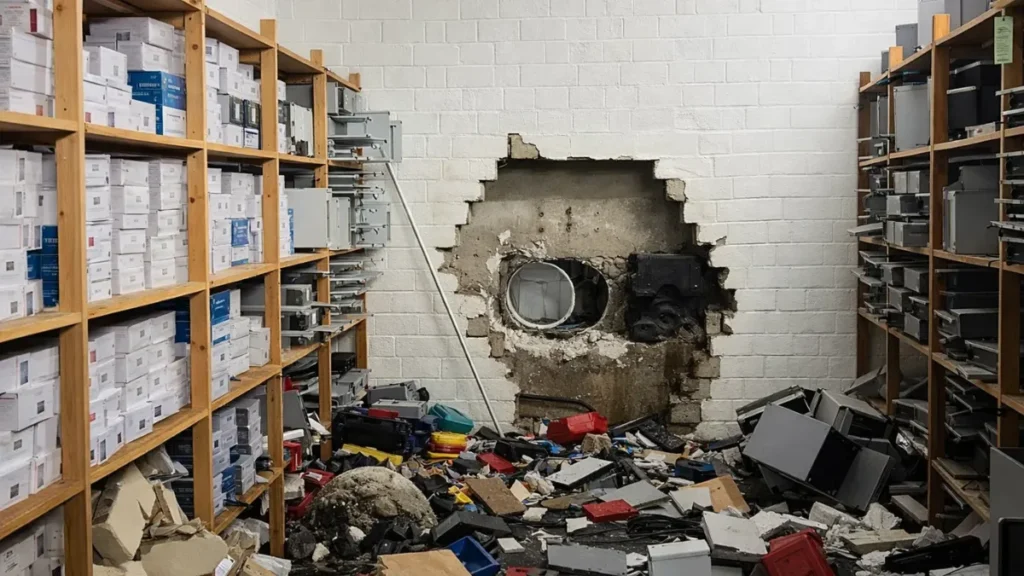
The thieves reportedly gained access through an adjacent underground parking area. From there, they carefully drilled through thick reinforced concrete walls separating the garage from the vault area. The precision confirmation suggests prior reconnaissance and technical expertise.
Once inside the vault, the group systematically broke open more than 3,000 safe deposit boxes. This was not a rushed operation. Experts believe the criminals may have spent multiple nights inside the building, working methodically to avoid triggering alarms or drawing attention.
The use of industrial equipment, sound-dampening techniques, and planned escape routes indicates a professional criminal network rather than opportunistic thieves.
What Was Stolen
Authorities estimate the total value of stolen items at approximately €30 million, though the final figure may rise as victims continue to report losses.
Stolen items reportedly include:
- Large amounts of cash
- Gold bars and coins
- High-value jewelry
- Rare collectibles
- Confidential documents
- Family heirlooms passed down generations
Because many customers store items privately without full disclosure, exact valuations are difficult. Some losses may never be fully quantified.
Discovery and Immediate Response
The robbery came to light when a fire alarm unexpectedly activated inside the building. Firefighters responding to the alert discovered signs of forced entry and immediately notified police.
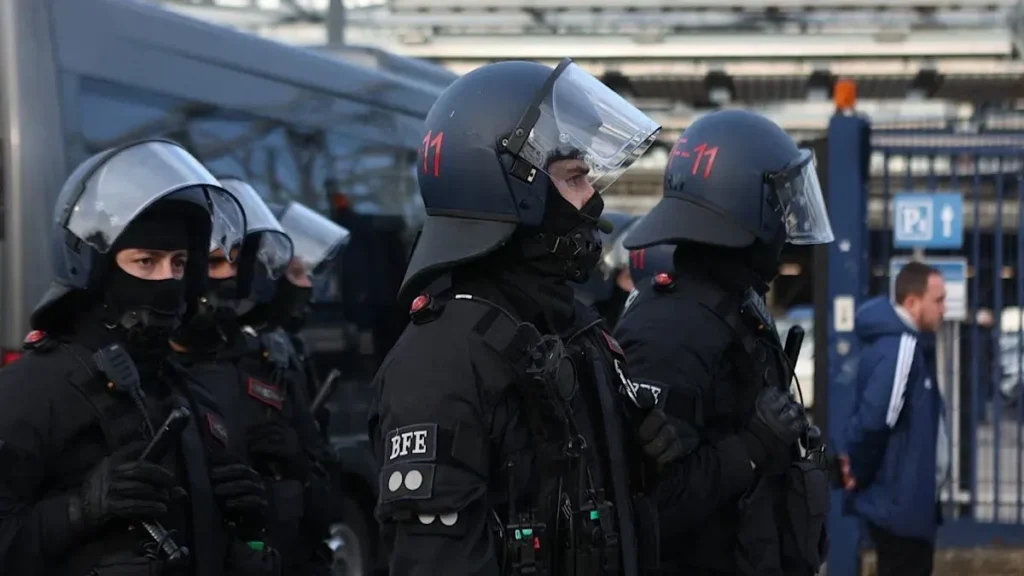
Law enforcement sealed off the area and launched a full forensic sweep. Specialists examined drill marks, tool residue, footprints, and surveillance footage from surrounding streets and garages.
A special investigative task force was formed, bringing together financial crime experts, forensic analysts, and organized crime specialists.
Public Reaction and Customer Impact
The reaction from the public was swift and emotional. Hundreds of customers gathered outside the bank demanding answers, access, and compensation.
Many expressed anger over limited insurance coverage, which may not fully cover the value of items lost. Others spoke of irreplaceable sentimental items that insurance money could never restore.
The incident has deeply shaken public confidence, particularly among older citizens who trusted physical vaults over digital storage.
Police Investigation and Key Leads
Authorities believe the criminals:
- Conducted long-term surveillance
- Knew the internal layout of the building
- Timed the heist to coincide with minimal staffing
- Used stolen vehicles for escape
Surveillance footage reportedly captured masked individuals leaving the area during early morning hours. A high-performance vehicle seen near the scene is being tracked as a key lead.
Despite extensive efforts, no arrests have been confirmed so far.
Why This Robbery Is Historic
This heist stands out due to:
- The scale of financial loss
- The number of deposit boxes breached
- The duration of unauthorized access
- The absence of immediate detection
- The professional execution
Security experts compare it to cinematic heists, but emphasize that this was very real and highly sophisticated.
Impact on Banking Security Across Germany
In response, banks across Germany are reviewing:
- Holiday security protocols
- Alarm system redundancy
- Vault monitoring technology
- Insurance coverage policies
- Staff rotation during closures
Financial regulators are expected to issue updated security guidelines following the investigation.
Germany: Highlight Table: Key Facts of the Heist
| Category | Details |
|---|---|
| Location | Gelsenkirchen, Germany |
| Bank Type | Public savings bank |
| Discovery Date | Late December |
| Estimated Loss | €30 million |
| Boxes Affected | 3,000+ |
| Method | Concrete wall drilling |
| Detection | Fire alarm |
| Suspects | Unknown |
| Investigation Status | Ongoing |
| Public Impact | Nationwide concern |
Germany: Broader Implications
This robbery has reignited debates about:
- Physical vs digital asset storage
- Insurance transparency
- Organized crime sophistication
- Holiday security complacency
Experts warn that similar vulnerabilities may exist elsewhere if lessons are not learned.
Also Read : Bangladesh’s First Female Prime Minister Khaleda Zia Passes Away At 80
Conclusion
Germany- The Christmas bank robbery in Gelsenkirchen is more than a crime story—it is a warning. It exposed critical security gaps, disrupted public trust, and demonstrated how carefully planned operations can exploit moments of national distraction.
As investigators work to recover stolen assets and identify those responsible, the incident will likely reshape how banks protect customer valuables during extended closures. For victims, the road to recovery will be long, both financially and emotionally.
Germany now faces a defining test: whether it can adapt its financial security systems to match the evolving sophistication of modern criminal networks.
Frequently Asked Questions (FAQs)
Q1. Was anyone injured during the robbery?
No injuries were reported.
Q2. How long did the criminals operate inside the bank?
Authorities believe several days.
Q3. Why was the robbery not detected earlier?
Holiday closures reduced monitoring.
Q4. Are customers insured?
Insurance exists but may not cover full losses.
Q5. Has any money been recovered?
No confirmed recovery yet.
Q6. Is this Germany’s biggest robbery?
It is among the largest in recent history.
Q7. Were insiders involved?
No confirmation, but investigators are examining all possibilities.
Q8. What security changes are expected?
Stronger vault monitoring and holiday staffing.
Q9. Are similar banks at risk?
Authorities are reviewing nationwide systems.
Q10. When will the investigation conclude?
No official timeline has been announced.

I’m a professional news publisher and passionate blogger, sharing trending stories, breaking news, and digital culture from around the world.